

2021 Lynch C. and K. Sammler. Spatializing ‘Intelligence’: Techno-Logics of SETI and AI. American Association of Geographers, Online, 7–11 Apr.
TITLE: Spatializing ‘Intelligence’: Techno-Logics of SETI and AI
AUTHORS: Katherine Sammler*, Helmholtz Institute for Functional Marine Biodiversity and Casey R Lynch, University of Nevada – Reno
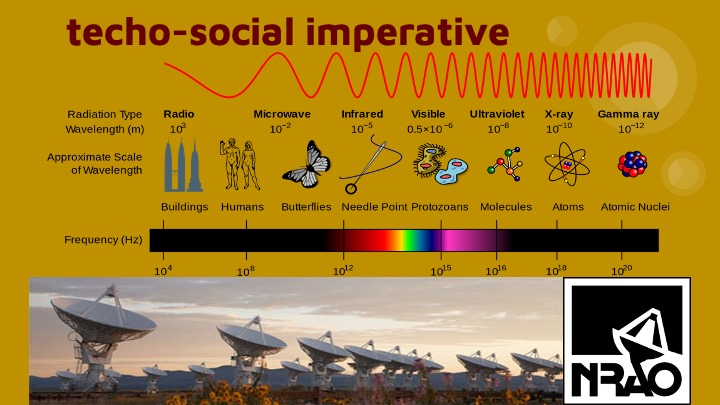
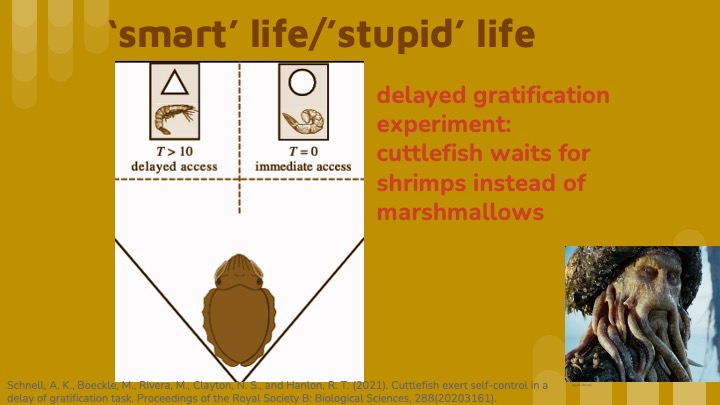
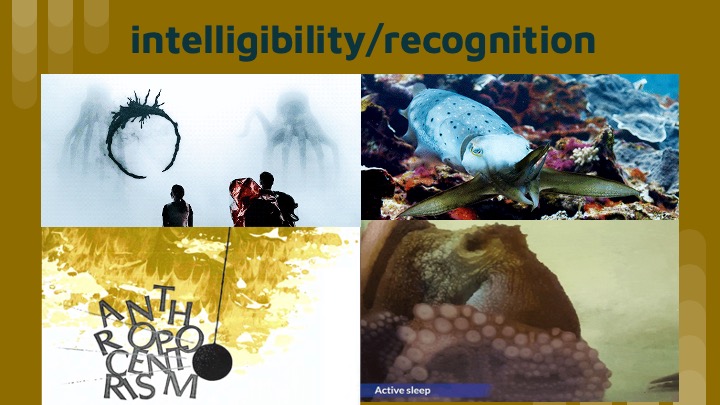
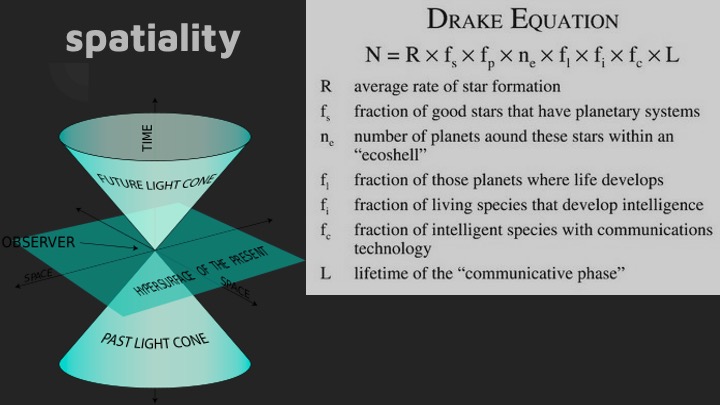
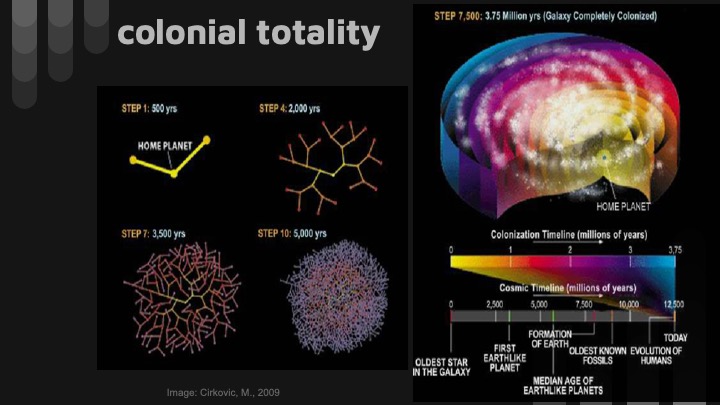
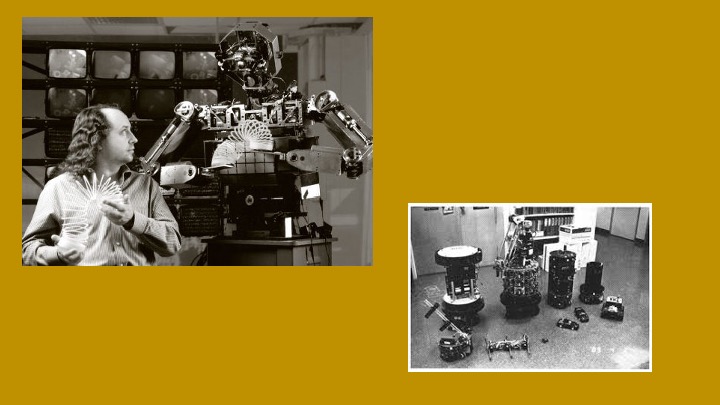
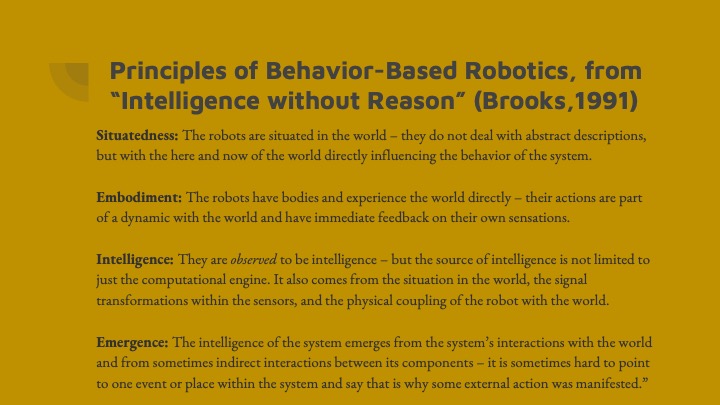
ABSTRACT: This paper explores how intelligence gets defined and operationalized in the search for extraterrestrial intelligence and the development of artificially intelligent agents. The search for life, let alone intelligent life, offplanet is limited by the technological tools available, but these tools also influence the definitional search for what is intelligent. From the initiation of SETI, the linking of intelligent life in the universe to “civilization” and “communication” has been categorical, each with their own surrounding controversies. In the case of the drive to develop artificial intelligence, researchers have theorized intelligence in multiple ways–from a focus on the manipulation of abstract symbols or the electrical signaling of the brain’s neurons, to behavior-based robotics’ perspective of intelligence as emergent out of embodied interactions in the world. The understanding of and search for intelligence whether artificial or alien, converged in two ways. The search for alien intelligence now uses various algorithms within the realm of AI and many theories of alien intelligence involve biological beings evolving into cyborgs, digitizing themselves, or creating and being outlived by intelligent machines. In both cases, intelligence is defined in relation to the particular techno-social-political-economic milieux in which these activities are carried out. As Byung-Chul Han (2017: 85) explains: “[Intelligence] is system-immanent. A given system defines a given intelligence. Accordingly, intelligence has no access to what is wholly Other.” Geographers have an important role to play in debates about intelligence by questioning the spatialities through which particular definitions of intelligence become operationalized and come to shape the world.
KEYWORDS: outer space geographies, digital geographies, robots, technology







SESSION: Spatializing ‘Intelligence’.
ORGANIZERS: Casey Lynch, Katherine Sammler
PRESENTERS:
Alessandra Marino, The collective intelligence of microbes: beyond SETI;
Lily House-Peters (California State University, Long Beach), Computational Ecologies, Haptic Sites of Experience, and the Co-Production of Sensory Intelligence in Rio Tinto’s Mine of the Future™;
Nicholas Lynch (Memorial University Of Newfoundland), Smart Living in the Circular City: Closing loops in post-human domestic space;
Katherine Sammler (Helmholtz Institute for Functional Marine Biodiversity) & Casey Lynch (University of Nevada – Reno), Spatializing ‘Intelligence’: Techno-Logics of SETI and AI.
SESSION ABSTRACT:
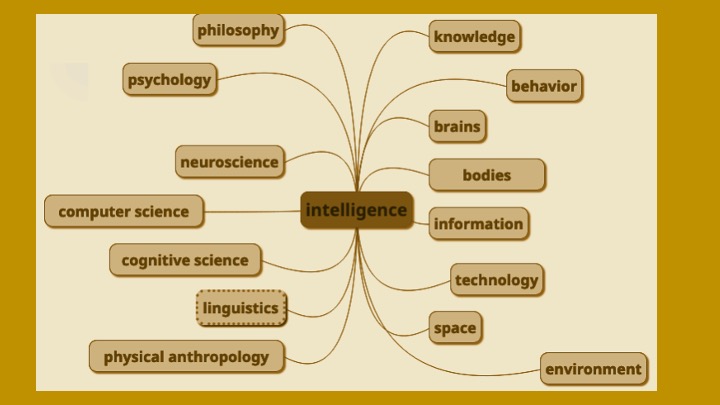
Given the emergent discussions around smart cities, AI, and robotics in society, scholars are increasingly invoking notions of intelligence, sentience, thinking, and cognition in their analysis of evolving socio-technical assemblages. Notions of ‘intelligence’ are also invoked in animal geographies, outer space geographies, geo-ontology, posthumanism, social movement studies, and other fields. Too often, these terms are invoked with little to no discussion as to what they mean. Yet, Enlightenment theories of intelligence rely on mind/body and human/nature dualisms that have long been used to justify deeply racist, gendered, colonial, ableist, and speciesist projects, including geography’s own legacy of environmental determinism. Meanwhile, across philosophy, cognitive science, psychology, and AI, there is little to no consensus as to the meaning of intelligence, even as some attempt to engineer it. While many have attempted to locate intelligence in the brain, others have long argued for embodied understandings of intelligence as emergent from interactions in dynamic environments. Others still aim to decenter the ‘human’ from theorizations of intelligence altogether.
Within geography we see groups critically engaging questions around knowledge production, meaning-making, more-than-human agency, difference, and cognition. Yet, geographers have yet to bring these insights to bear on debates about intelligence, with a few expectations. For instance, Thrift (2004) writes of affect: “[a]ffect is a different kind of intelligence about the world, but it is intelligence none-the-less” (p. 60, emphasis added). Bear (2011) discusses the question of intelligence in relation to animal geographies. Reflecting on the rise of ‘smart spaces’, Lynch and Del Casino (2020, p. 383) argue “that expanded understandings of intelligence as multidimensional, variegated, and exceeding the human open up new ways to imagine so-called smart futures.” This session aims to bring together scholars from across the discipline to critically examine the multiple and shifting meanings of intelligence in geographic research and to question assumptions about what intelligence is (or might be), where it is located, how it operates in relation to power, and how it is evolving in the contemporary conjuncture.
Topics may include but are not limited to:
Theoretical or empirical work on intelligence in animal geographies
Theorizations of intelligence and the rise of ‘smart’ spaces and places (cities, borders, mines, homes, etc.)
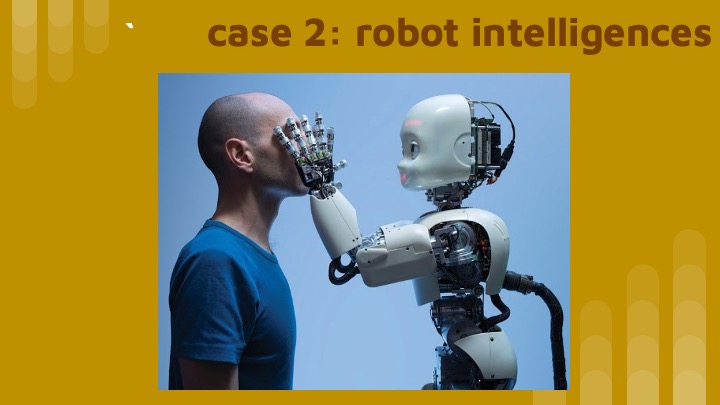
Critical engagements with Artificial Intelligence (AI), robots, cyborgs
Outer space geographies and the search for ‘intelligent life’
Engagements with neuroscience, psychology, psychoanalysis
Affect, embodiment, and intelligence
Collective intelligence, swarm intelligence, etc.
Geographies of neurodiversity
Intelligence and stupidity
Relationship between intelligence, knowledge, consciousness, information, agency, meaning
human/nonhuman/transhuman intelligences
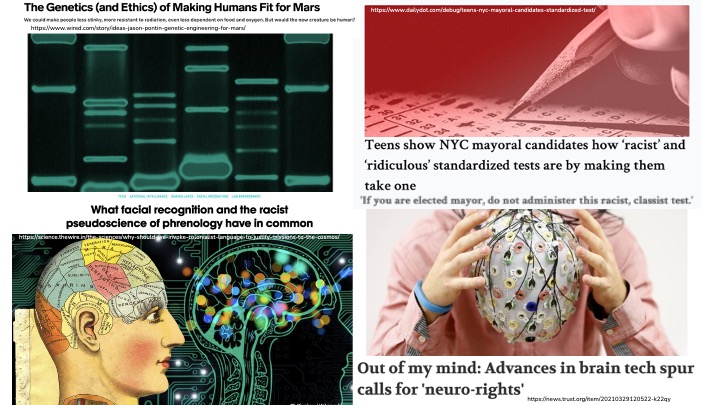
Theories of intelligence in histories of colonialism and scientific racism
Theories of life, nonlife, animacy, and intelligence
Relational bodies/landscape intelligences
Political economy of intelligence, capital, and labor
References:
Bear, C. (2011). Being Angelica? Exploring individual animal geographies. Area, 43(3): 297-304.
Lynch, C.R. & Del Casino, V. J. (2020). Smart Spaces, Information Processing, and the Question of Intelligence. Annals of the American Association of Geographers, 110(2): 382-290.
Thrift, N. (2004). Intensities of Feeling: Towards a Spatial Politics of Affect. Geografiska Annaler: Series B, Human Geography, 86(1): 57-78.
 saltygeographies