
Touching
Touching squishy bodies (click for video).
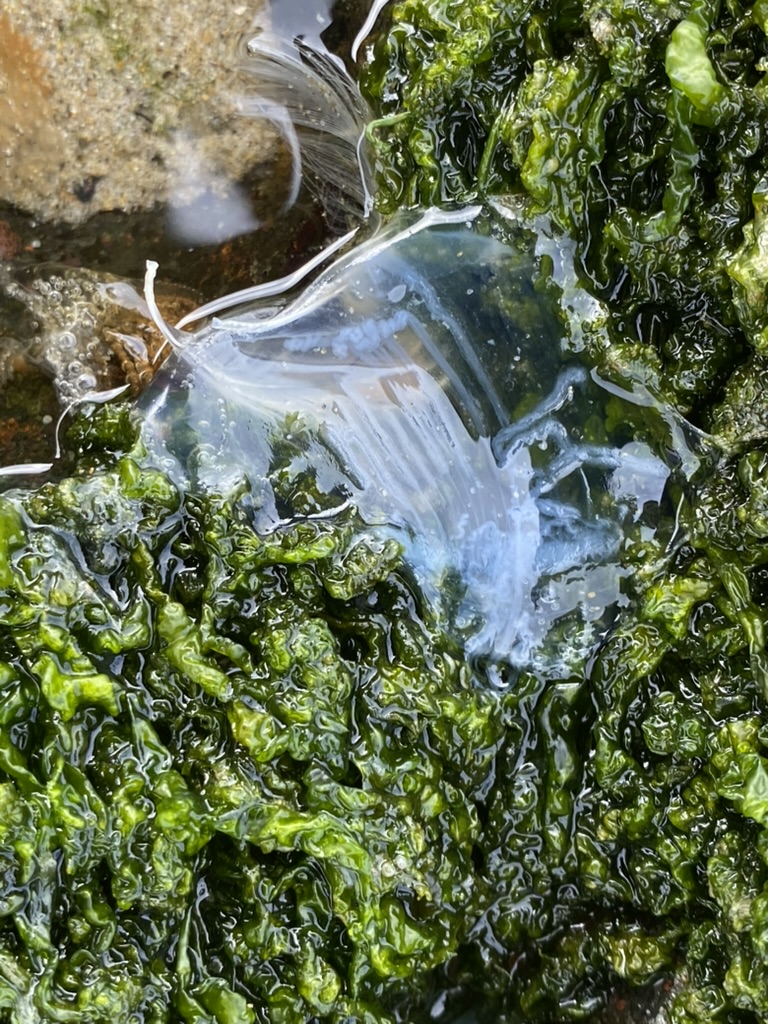
Over 5,000 new lifeforms have been discovered while prospecting for deep sea minerals. While the seabed has largely been represented as a resource awaiting exploitation, still little is known about the ecosystems and lifeworlds of the benthic realm. Sample collection techniques are challenged by the soft bodies of newly encountered somatic forms, like the delicate gelatinous corporeality of deep sea sponges, siphonophores, and worms.
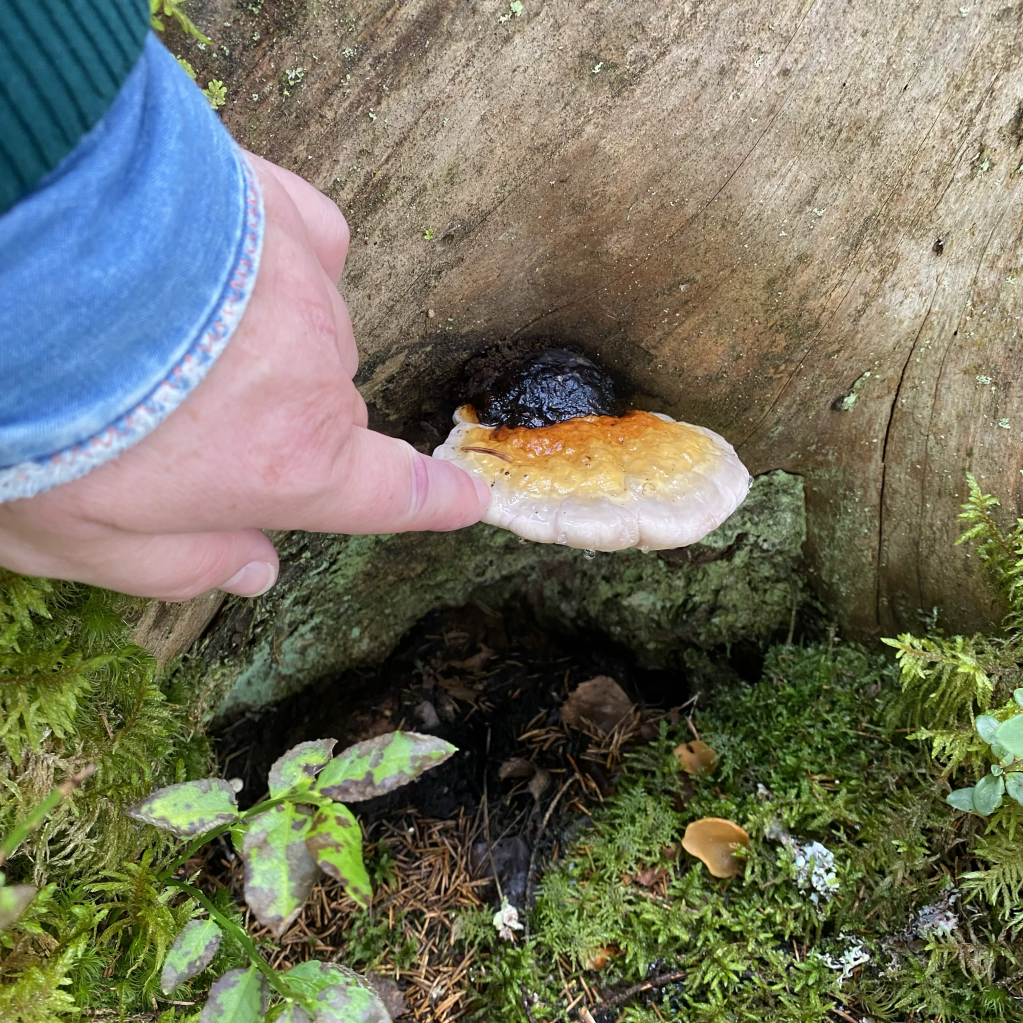
Touch, as Dixon and Jones’s (2014) work explores it, is a topology that is beyond surface-skin encounters. Touch moves beyond surface effects into a corporeal realm of texture that engages a volumetric of bodily materiality. Tompkins reflects through touch between bodies as “texture of flesh in all of its soft rheological gelatinousness: its squishy, jiggly substantiveness, which both holds shape and is flexible, its ability to return to its original form no matter the pressure it is subjected to” (2024:203) .
Touching slimy bodies.
Collecting
No touching the samples (click for video).
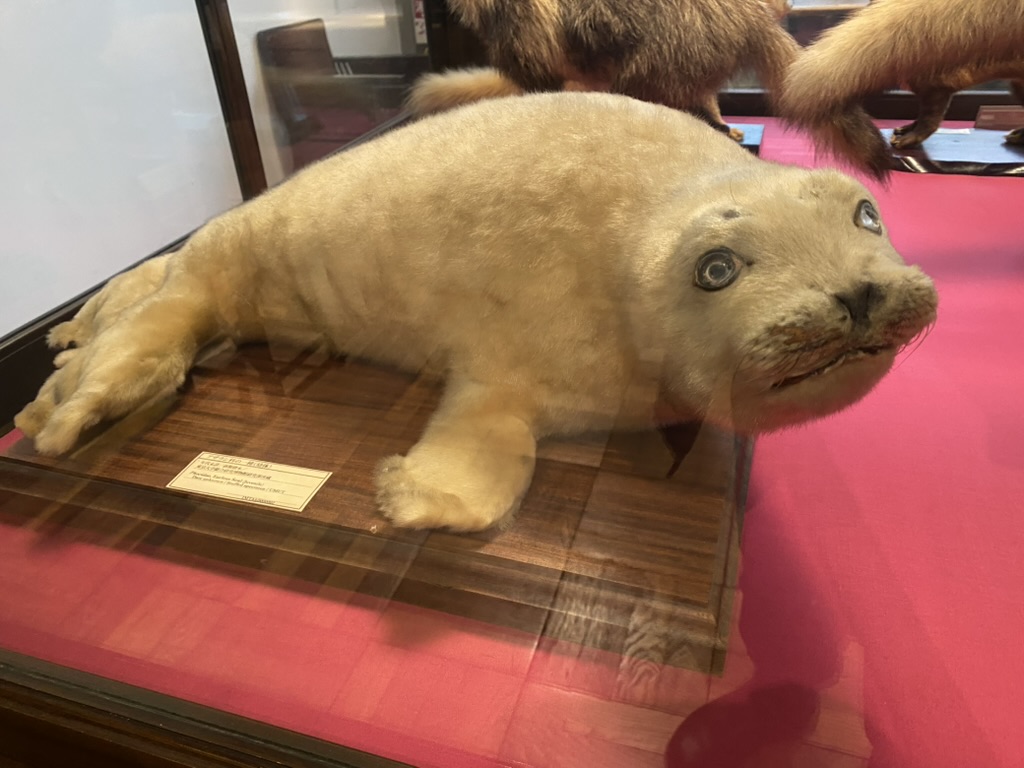
Capture, classification, preservation, storage, and display all contribute to the systematic conceptual bounding and spatial ordering of an anarchic nature. The structuring apparatuses of such an archive entangles broad scientific traditions from taxonomic identification to taxidermic preservation, but also Western ideals of universality and objectivity. Within this capture and classify process, the unknown are unprotectable, deemed killable in their refusal to be known in this way, “unsnared by the net of scientific nomenclature” (Deweerdt, 2023, np). Despite a proliferation of technologies for measuring and monitoring the ocean and marine ecosystems, there are so many unknowns amidst environmental change, that “some species may be becoming extinct before they are even found” (Ocean Census Alliance 2024:np).
“[D]escribing a new species has traditionally required a physical specimen, a holotype, to be preserved in a museum and referenced in perpetuity. . .[since] without a scientific name, it’s difficult to add the animals to a list of endangered species or activate other legal mechanisms to protect them” (Deweerdt, 2023, np).
Robotic touch
In the deep sea, robotic arms used for sample collection tend to crush soft bodies, or they disintegrate when brought to surface pressure. Amid debates over whether high-definition video and photographic evidence may suffice for establishing a holotype, roboticists are developing new forms of soft robots that can provide a “nondestructive grasping of gelatinous marine organisms in the marine environment” (Sinatra et al., 2019, 2), using biomimetically inspired Dragon SkinTM providing silicone softness for gentle collection.
Soft and squishy sea life.
Visit to the soft robot lab
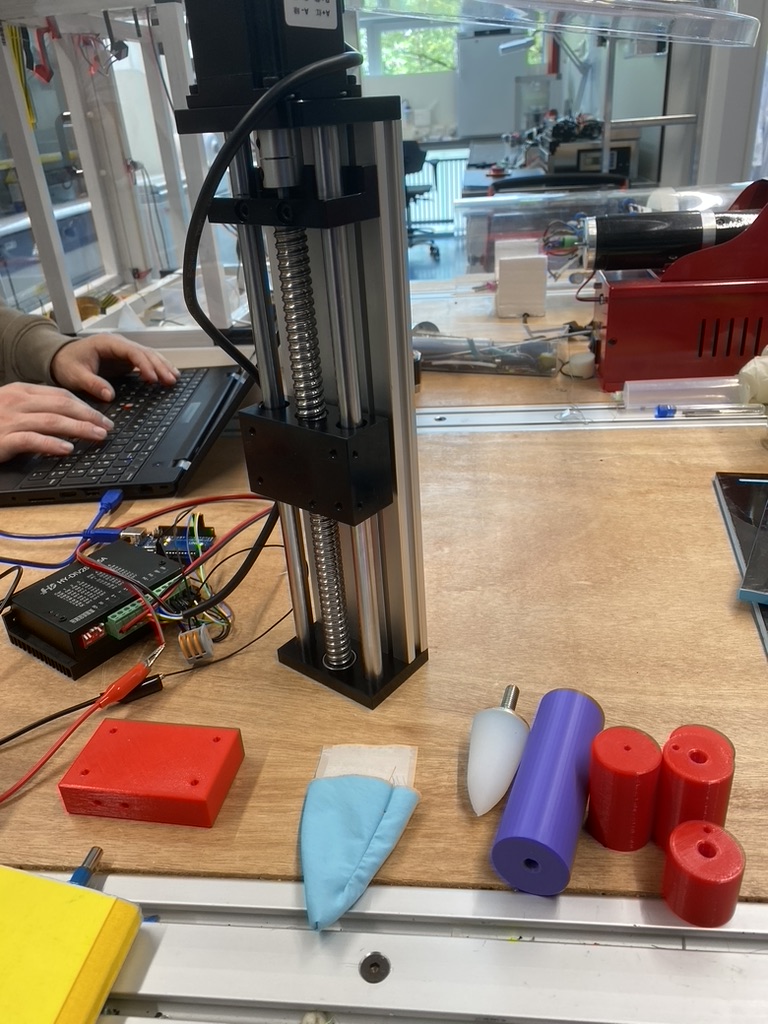
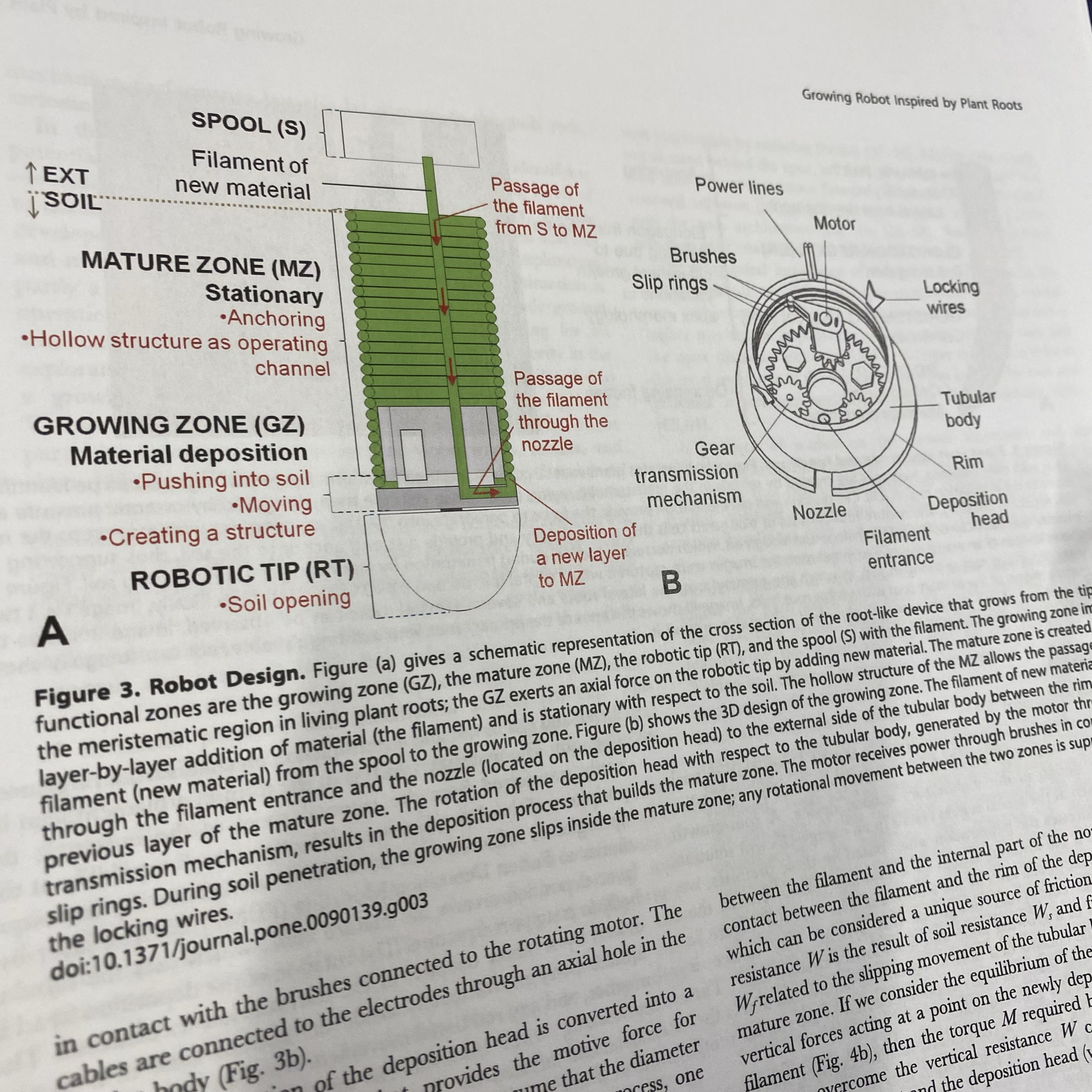
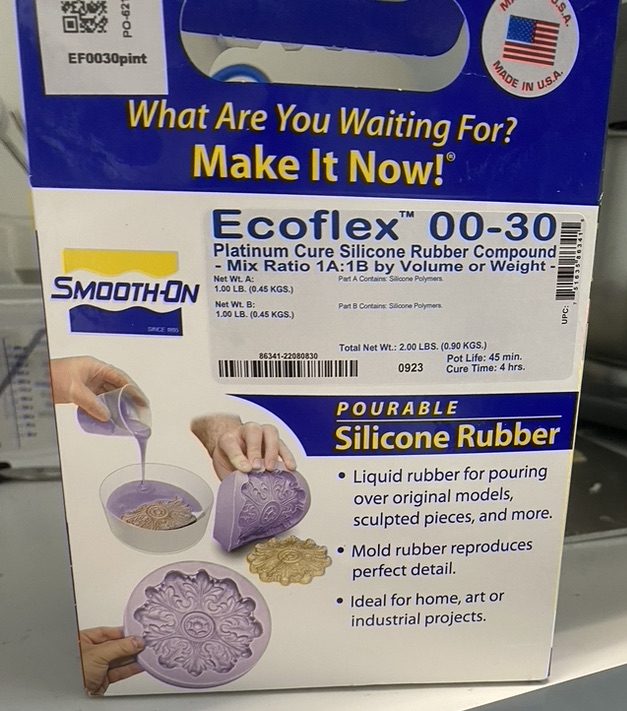
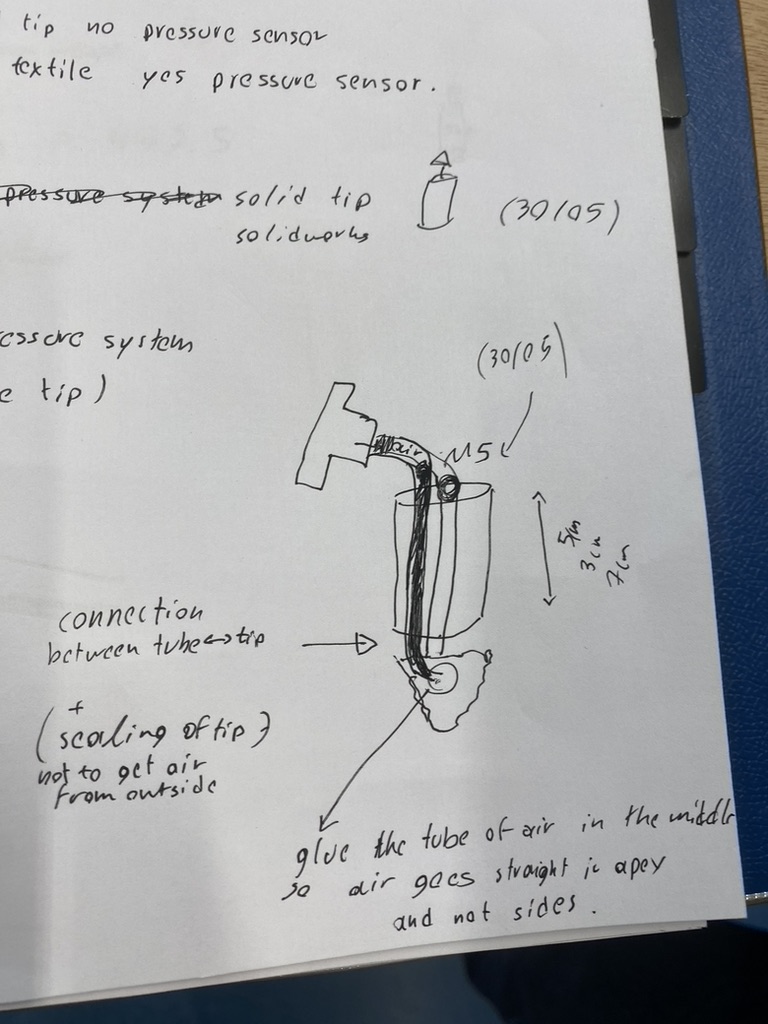
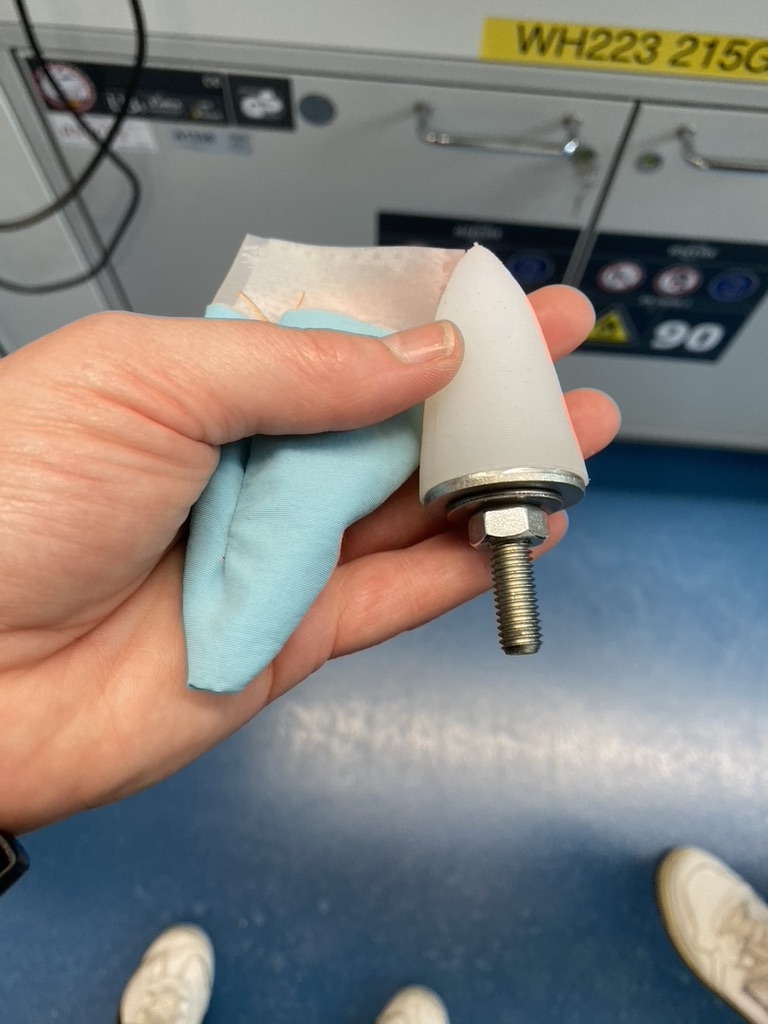
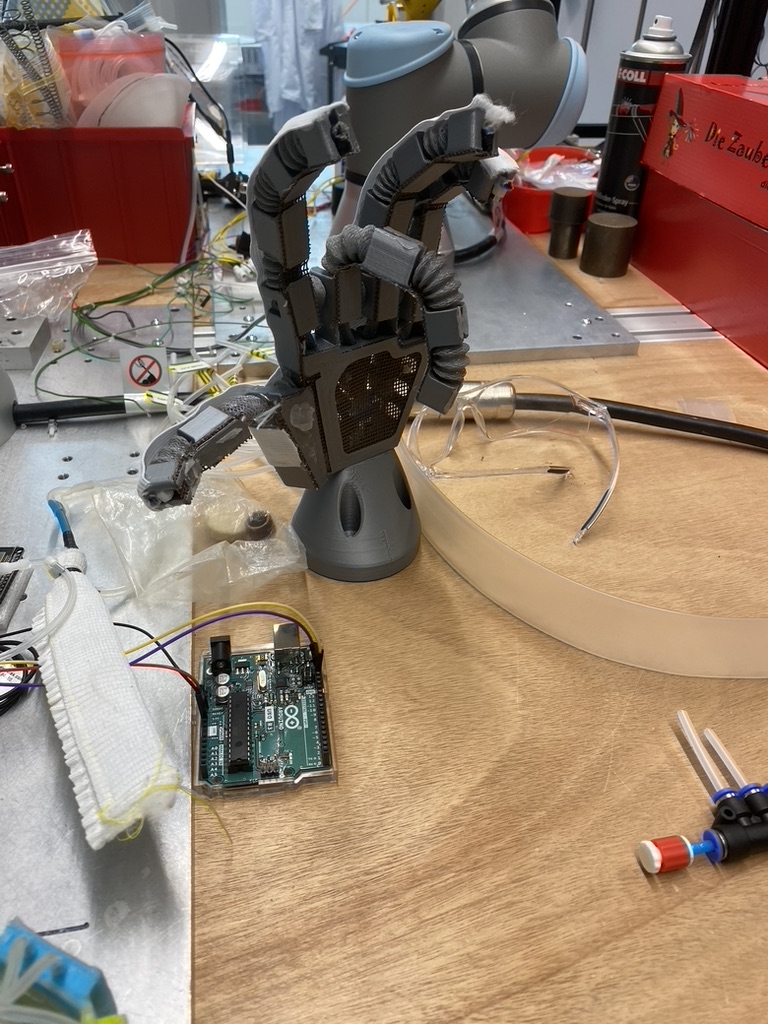
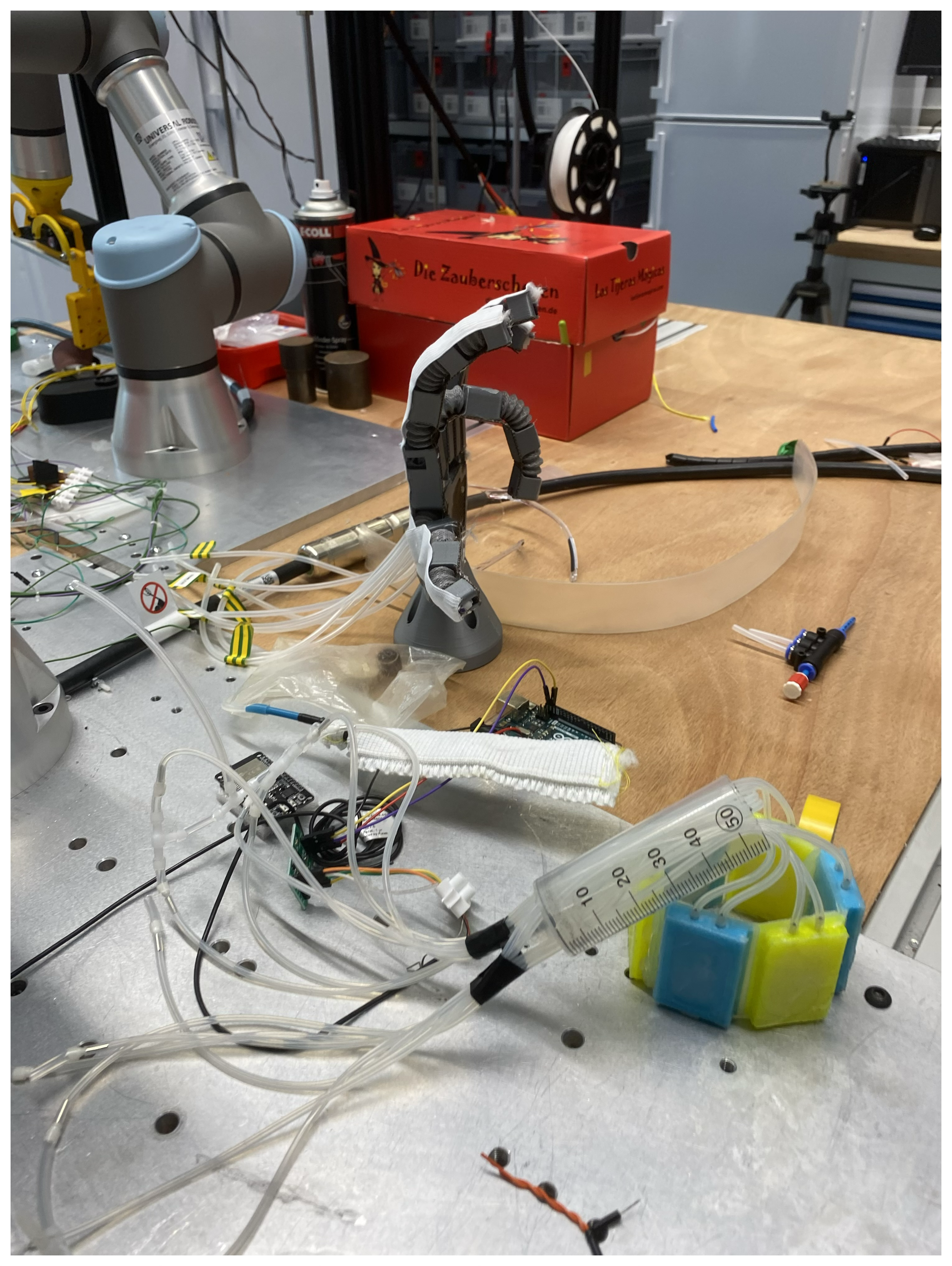
Given the cost and difficulty of ocean exploration, the most well studied parts are those targeted for extraction. Biomimetic soft robots are being developed for many tasks that necessitate “delicate manipulation and non-destructive exploration” (Li 2023; 2) on land and in the sea. At University of Twente new Robotics Centre, students were building worm-like soft-bots (among other things) for soil sampling that would maintain the stratified layers of earth and provide low cost soil sata for agriculture and construction industries.
A failed experiment
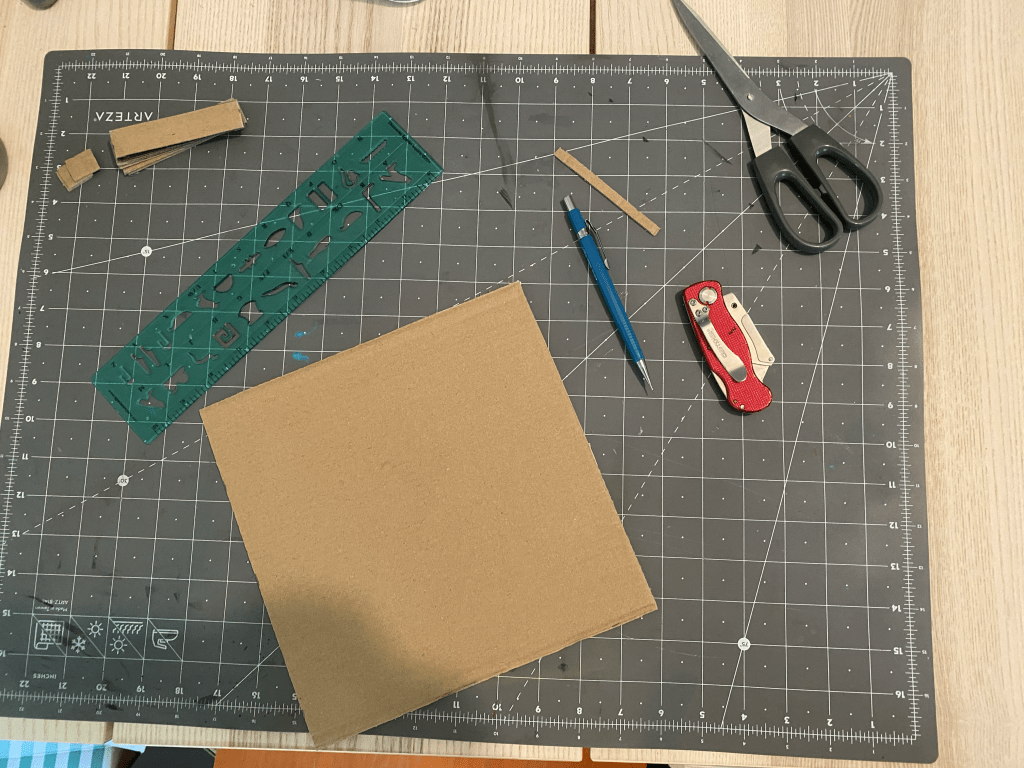
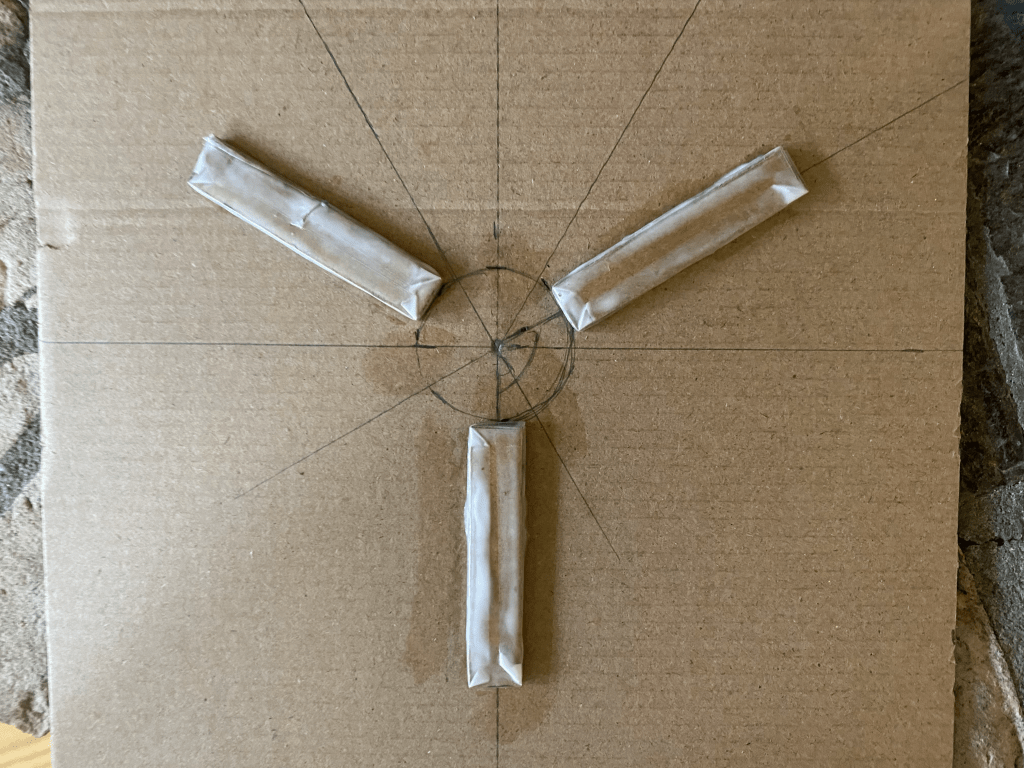
Modelling the silicon form in cardboard.
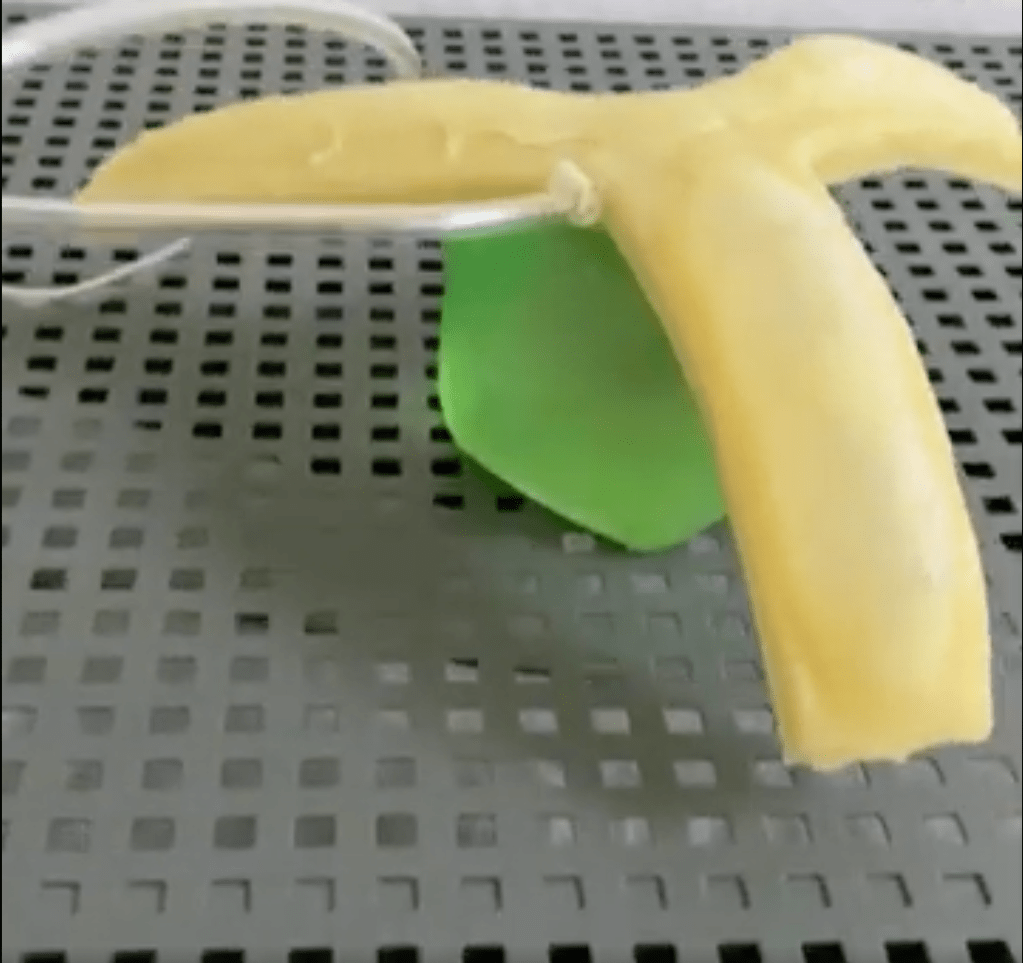
In trying to analyze the epistemological practices of ocean species collection and classification within shifting technological mediations, I tried to build a soft, grabber-bot. Many deep sea animals are mostly water, have a hydrostatic skeletons, with shape and movement based on fluid pressure. Such bodies have “a form of animateness that is both giving and resistant, that flows and deforms but pushes back, [with] uncanny responsiveness to its sensory surroundings” (2024: 194). This material agency of texture is not based on a uni-directional touch but emergent between, through an intra-activeness.
I mimicked this soft-bot from a youtube tutorial. A cardboard form shapes the liquid silcone into a three-fingered grabber while it sets. Pen catridge tupes held open inside cavities which move air to close the grabber fingers, using pneumatics in lieu of hydrostatics. As I push air in using a large syringe, the fingers are meant to close around the green cube (my stand-in squishy body) and capture it. Alas, as shown, the grasping gesture is incomplete, my silicon too stiff, and the soft-bot insufficient.
- Deweerdt, S. (2023). The challenge of deep-sea taxonomy. Nautilus Magazine, May 11.
- Dixon, D. P. and Jones, J. P. (2014). The tactile topologies of contagion. Transactions of the Institute of British Geographers, 40(2):223–234.
- Sinatra, N. R., Teeple, C. B., Vogt, D. M., Parker, K. K., Gruber, D. F., and Wood, R. J. (2019). Ultragentle manipulation of delicate structures using a soft robotic gripper. Science Robotics, 4(eaax5425):1–11.
- Tompkins, K. W. (2024). Deviant Matter: Ferment, Intoxicants, Jelly, Rot. New York University Press.
- Ocean Census Alliance (2024). https://oceancensus.org/.

