
Sammler, Most-human: How non-human animal models of ‘intelligence’ codify (de)humanization. Royal Geography Society, Newcastle. 30 Aug–2 Sep.
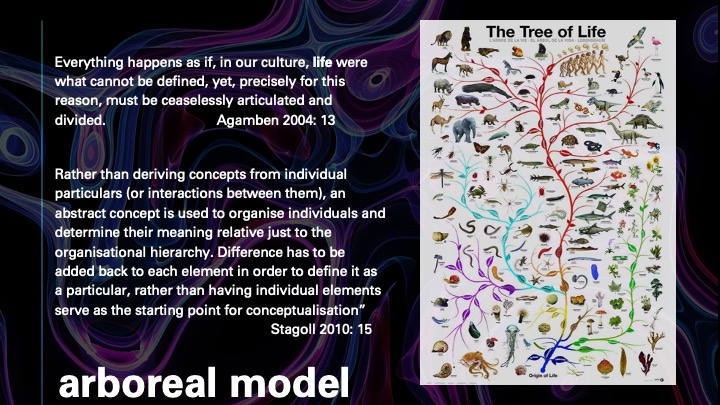
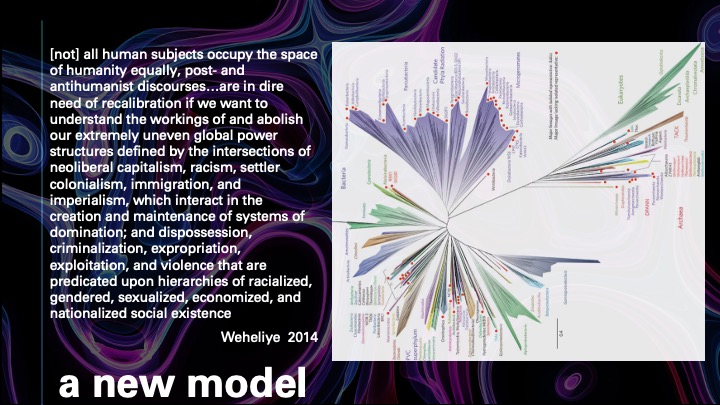
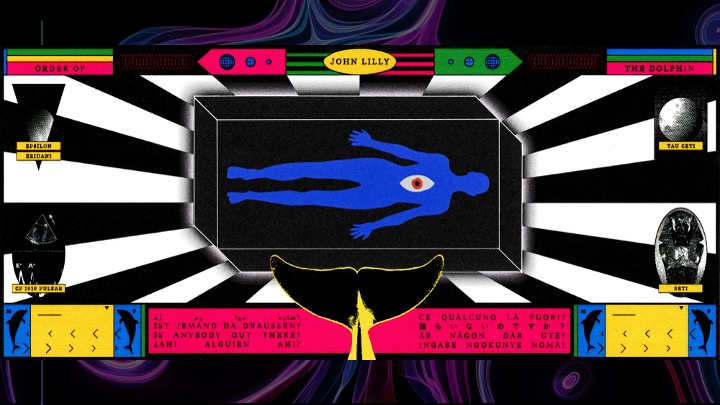
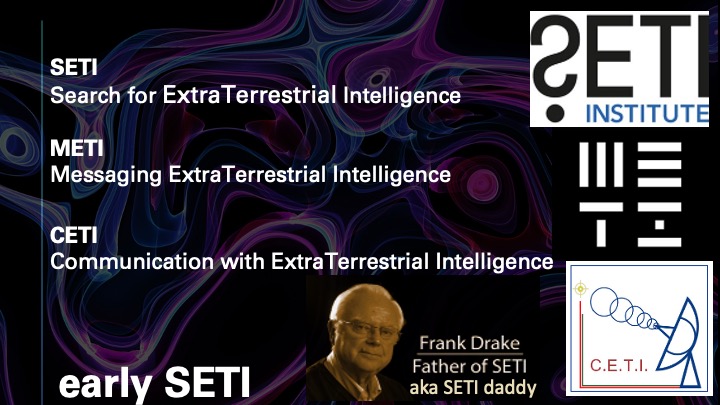
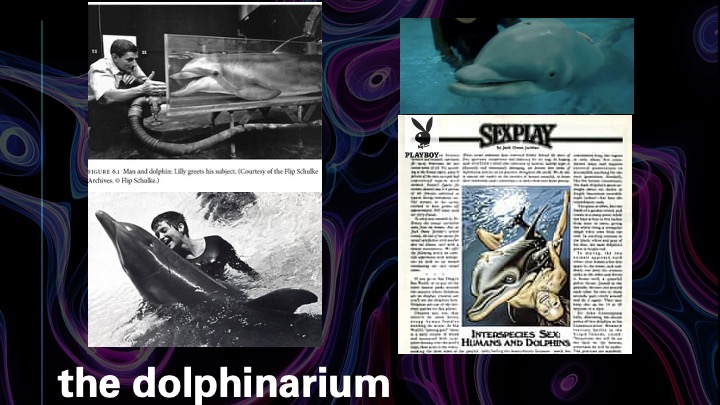
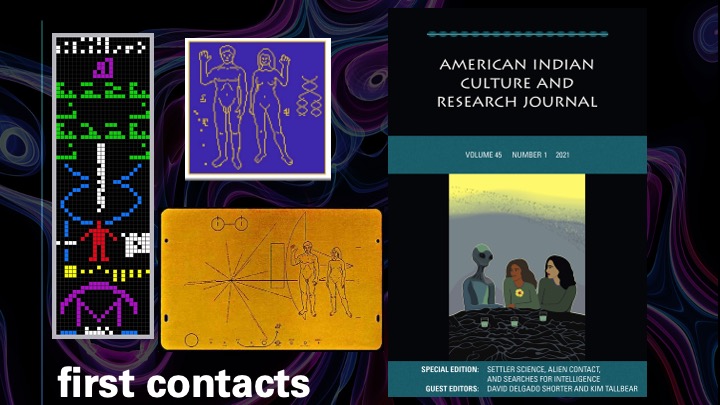
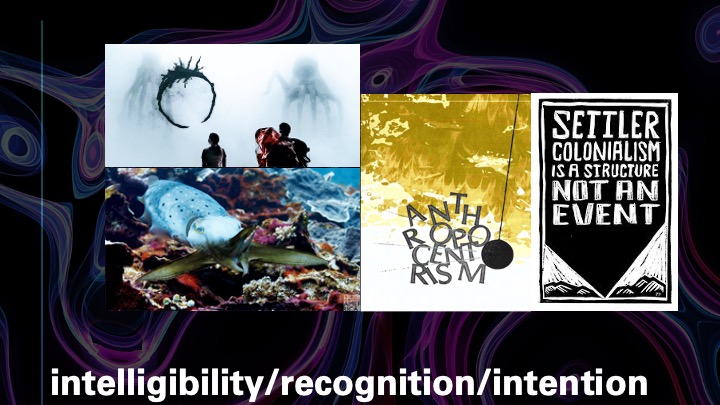
ABSTRACT: The category of ‘human’ has been wielded in practice as a cudgel to privilege or persecute groups or entities designated as either in or outside its defined boundaries. The violent enforcement of ‘humanness’ varies over time and place, dependent on multiple power hierarchies such as racism, patriarchy, ablism, and capitalism. A recent trend in ‘expanding’ the category of the ‘human’ has included granting rights of personhood to some non-human animals, specifically those considered ‘intelligent,’ and therefore closer to ‘human.’ This paper explores animal models of ‘intelligence’ within imposed hierarchies of difference that align along an axis of sameness to those defining it. It is not just that the concept is often anthropomorphized, it is based largely on white, Western, male, hetero, sexually reproducing, bipedal, terrestrial, mammalian, carbon-based templates, undermining any purported objective assessment of some measurable ‘intelligence.’ From dolphins to aliens, John Lilly to SETI, scientific searches for non-human animal intelligence “remain framed by a hierarchical and progressivist worldview” (Shorter 2021), ordering ‘higher forms of life’ that reflect longstanding (de)humanization projects, a taxonomic “machine or device for producing the recognition of the human” (Agamben 2002). Examining how intelligence gets defined and operationalized – implicated by testing apparatus that prioritize masculinist ideals of logic and rational behavior and have little to do with any non-human animal’s needs, sensory differences, or social and ecological contexts – the aim of this research is to reflect on broader questions of difference and (de)humanization for all animal kind.

 saltygeographies