
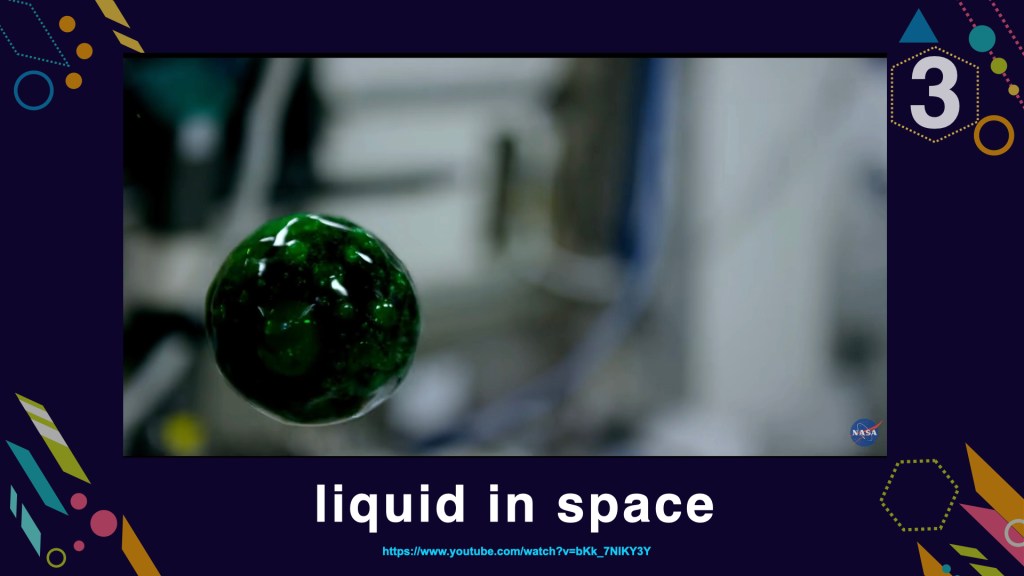
Sammler. An intimate space: Gravity, waste, & the spatial orientation of bodies. NYU Gallatin School of Individualized Study. Discard Studies: Exploring disposal’s past, present, and future, New York NY, 15–17 Sep.
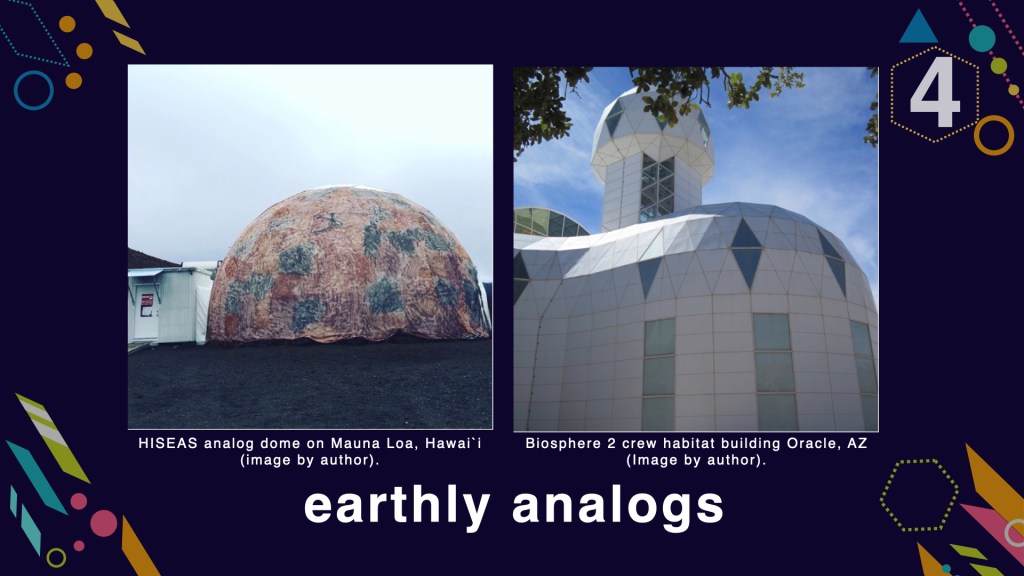
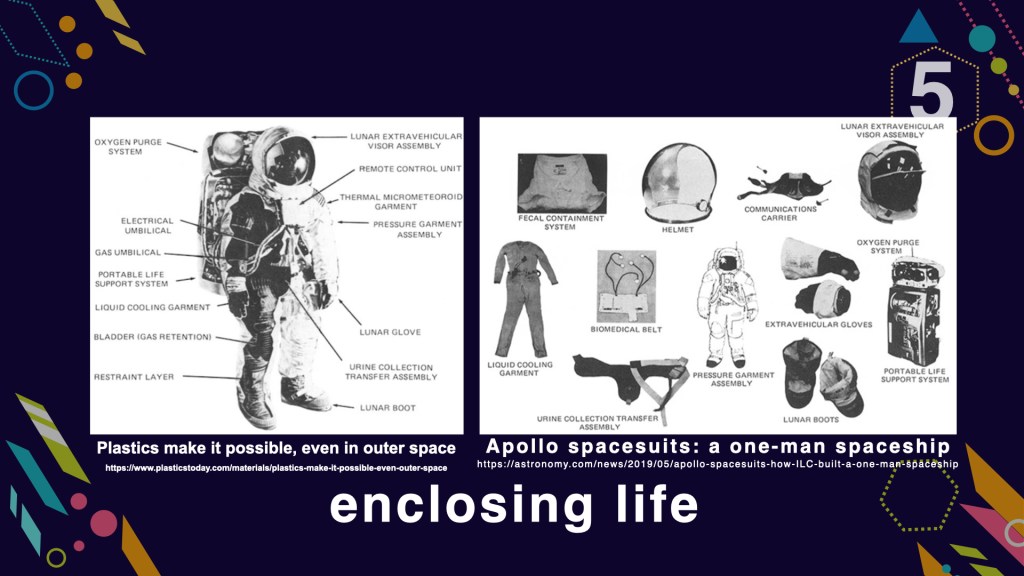
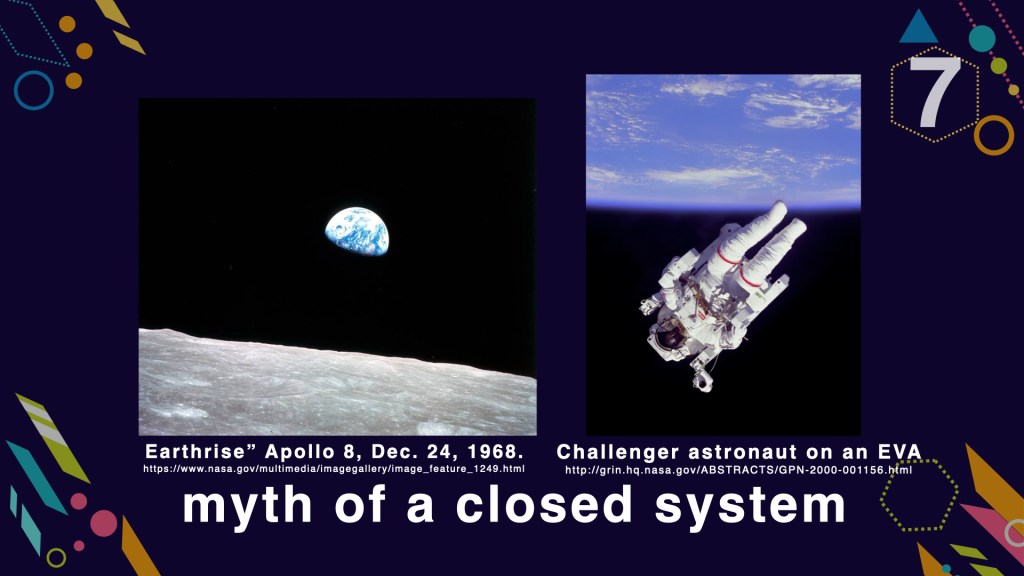
ABSTRACT: Analog habitats, like Biosphere 2 in the Arizona desert or Sealab I-III at the bottom of the ocean, are tightly engineered confines used to reproduce the human necessities of an earthly habitat. Similarly, space-stations, -ships and -suits are also sites that analogize the average physical conditions for human survival at various scales. Examining the physiological feat of maintaining life in these places draws a sharp focus to the relationship between the human body and its environment, the porous and circulatory matter that blurs any boundaries between habitant and habitat. These engineered spaces create a microcosm of urgent planetary concerns surrounding air and water resources, but also waste capture, storage, and elimination.
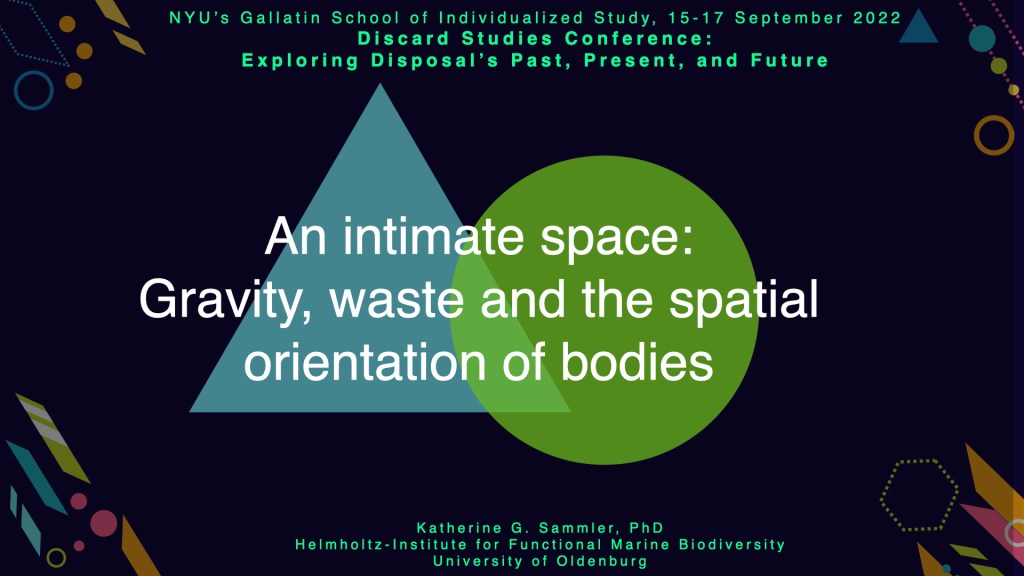
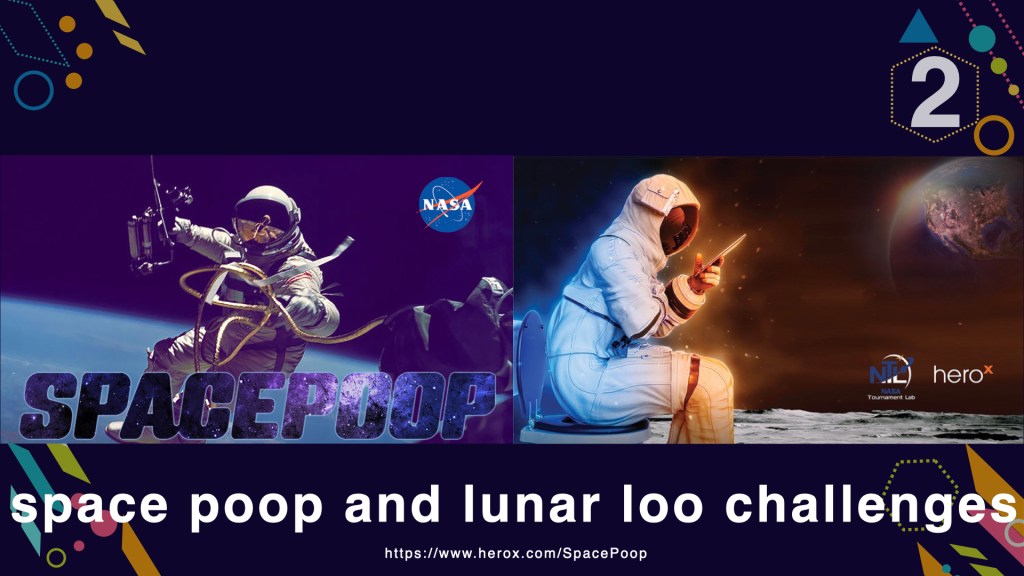
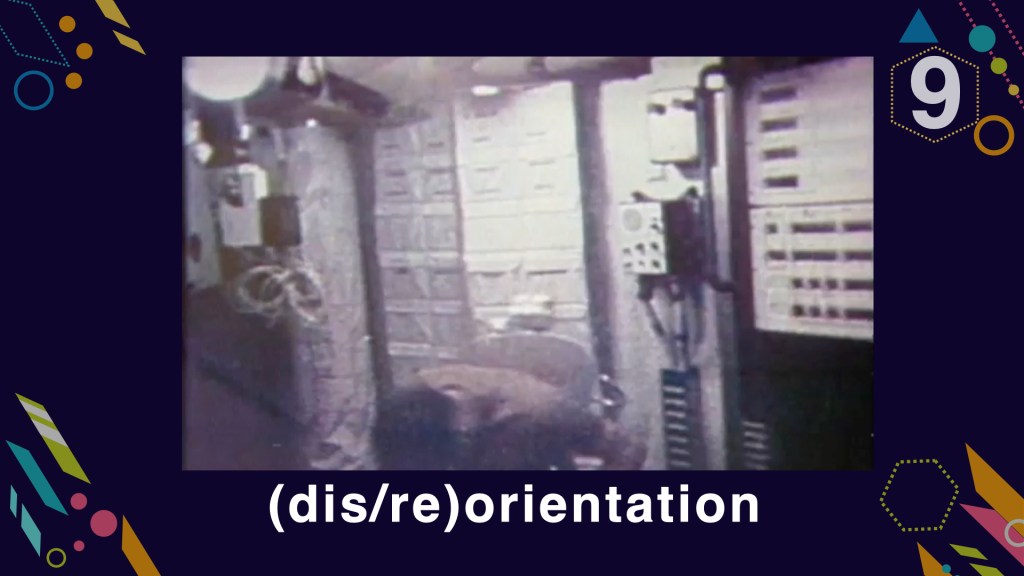
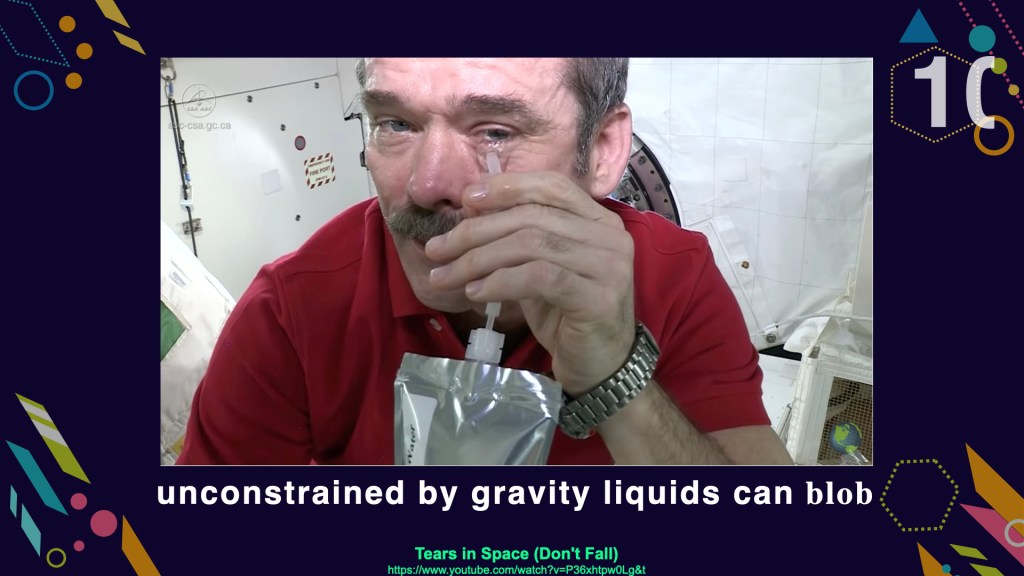
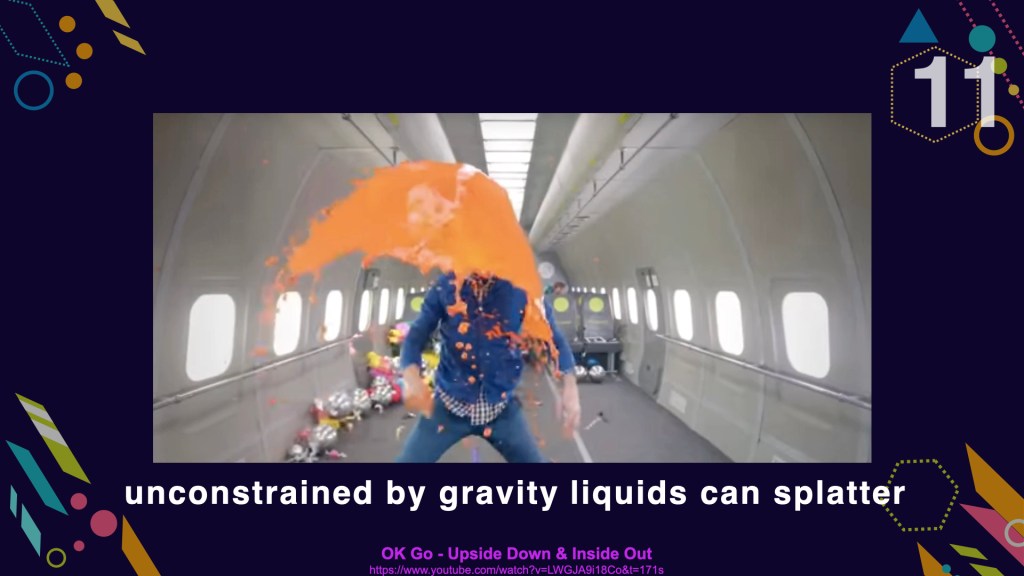
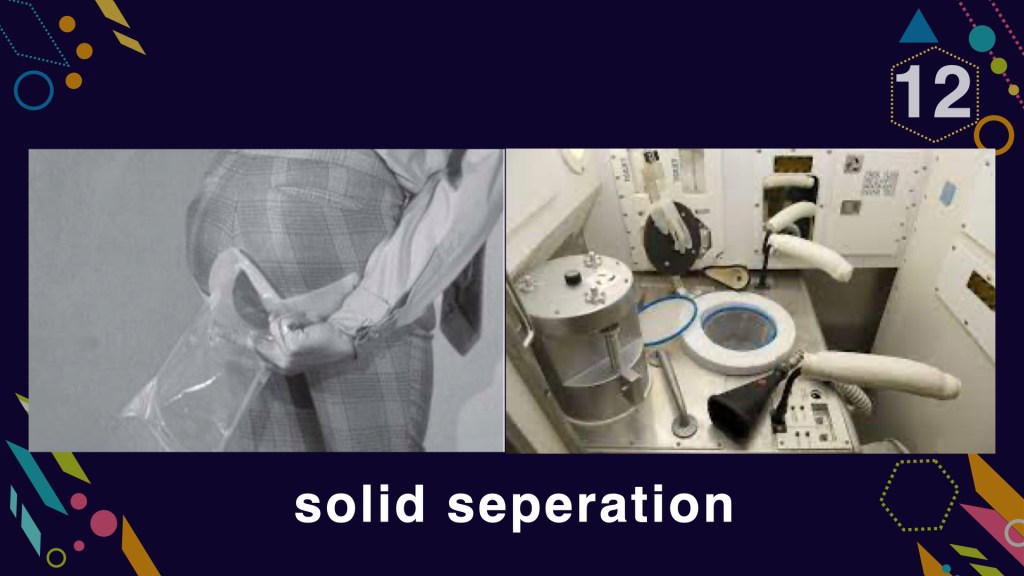
This paper explores NASA’s experience with managing biological operations and discharge wastes in low gravity environments. Without strong gravitational fields, liquids coalesce at the location they are created, instead of flowing down and away. Such excesses disrupt the orderly engineered environments and minutely monitored bodies of these techno-scientific endeavors. Analyzing astronaut tears, space gynecology, zero-g surgery, and NASA’s “space poop challenge” through feminist and new materialist literature, we seek to refigure the fragile relationships between fleshy bodies and planetary bodies, biomass and geomass. And by connecting to broader politics of gravity, spatial orientation, and the risks posed by our inability to get away from intimate wastes, we also attempt to offer insights towards, as David Valentine urges, “thinking humanness from elsewhere in the cosmos.”



OUTPUT: 2024 Sammler. Intimate outer space: Towards a politics of gravity, waste, and the spatial orientation of bodies. GeoHumanities, 10(1), 171–191. https://doi.org/10.1080/2373566X.2024.2325947.
 saltygeographies